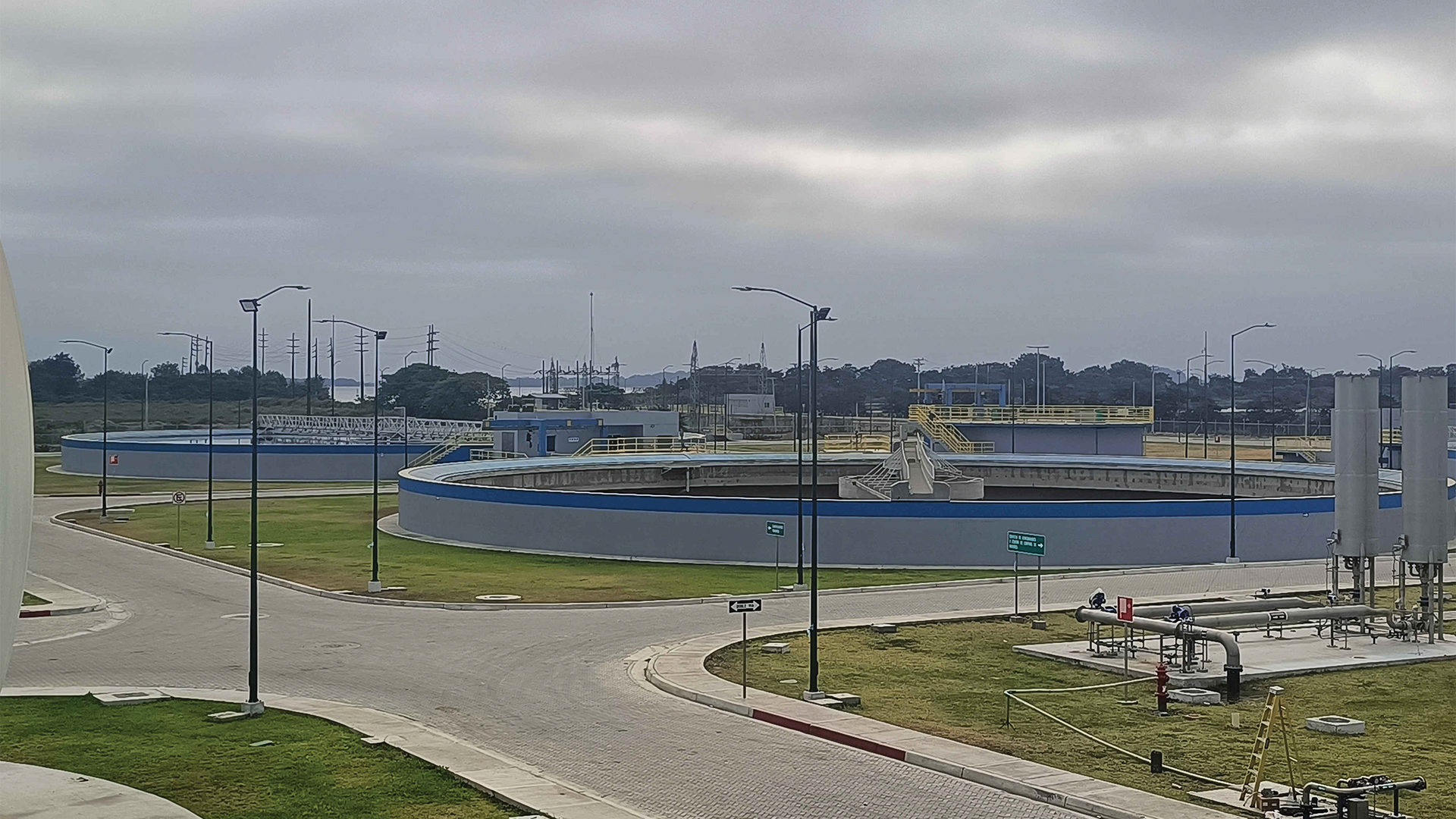
Different stages of sludge treatment in a Waste Water Treatment Plant
Treatment phases of a Waste Water Treatment Plant are essential for waste management and environmental protection. These plants play a major role in the treatment of domestic and industrial wastewater and sludge, transforming pollutants into recyclable materials.
1. Wastewater pretreatment
The first step in this process involves collecting wastewater from different sources, such as domestic, industrial, and agricultural wastewater. This wastewater is then sent to Waste Water Treatment Plants, where it is treated using specific treatment processes. Once at the Waste Water Treatment Plants, the wastewater passes through different treatment stages.
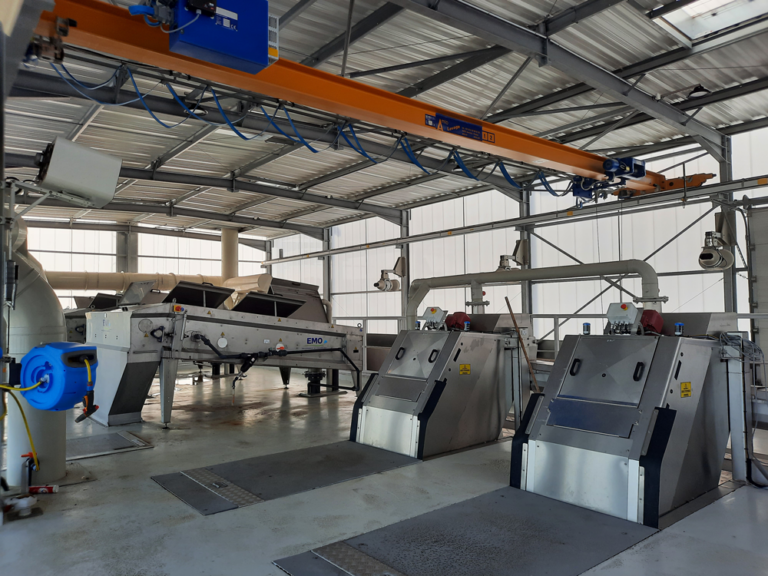
Pretreatment consists of removing coarse solids, waste and pollutants that could damage treatment equipment or reduce the effectiveness of downstream processes.
This process may include operations such as screening, shredding, screening and settling. The main aim of pretreatment is to prepare the wastewater for further treatment.
2. Sludge thickening
Sludge is usually mixed with water. Sludge thickening is an important stage in the process and consists of reducing the water content of the sludge, making it easier to handle and treat (using mechanical or biological methods).
Several mechanical or biological methods can be used to thicken sludge and increase its dryness. Mechanical methods, such as centrifugation or filtration, use physical force to separate water from the sludge. Biological methods, such as flotation thickening or gravity thickening, take advantage of the natural properties of microorganisms to facilitate the water separation process.
Sludge thickening can be carried out either continuously or intermittently. It is important to monitor the sludge dryness regularly to ensure the thickening process is as efficient as possible, as it is a preliminary step in the further treatment of municipal or industrial sludge, such as digestion, dewatering or other stabilisation processes. The dryness of the sludge after thickening can directly affect the efficiency and costs associated with these downstream treatment stages.
3. Sludge digestion
Thickened sludge is sent to anaerobic digesters, where it is digested by bacteria in an oxygen-free environment. This process produces biogas, which can be used as an energy source.
4. Sludge dewatering
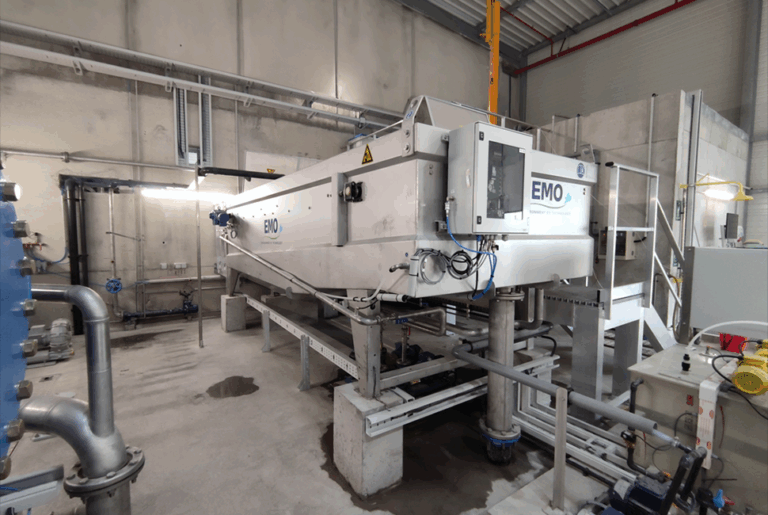
The primary reason for dewatering sludge is to reduce its water content, typically by 80 to 90 percent. This reduces the volume of the sludge, making it easier to treat and dispose of.
This can be achieved using techniques such as centrifugation, pressure filtration, vacuum filtration, and screw presses. Each method has its advantages and limitations, and the choice often depends on the specific characteristics of the sludge and the treatment requirements.
Sludge dewatering produces two main products: dewatered sludge and filtered water, also called “filtrate”. Dewatered sludge can be used for useful purposes (such as agricultural land application or compost production) or stored prior to disposal. Filtered water can be recycled back into the wastewater treatment process or discharged after further treatment.
-
5. Sludge drying
Drying is an important step in the treatment of sludge: it aims to further reduce the water content of the dewatered sludge, making it easier to handle, transport, and dispose of. There are several methods for sludge drying: • natural drying: exposing the sludge to air and sunlight allows the moisture it contains to evaporate • thermal drying: the dewatered sludge is heated using external heat sources, • centrifugal drying: the dewatered sludge is subjected to high centrifugal force
EAHD-EAWD -
6. Additional treatment of sludge
Dewatered sludge may go through additional treatment to reduce its organic matter and pathogen content. This may include processes such as stabilization, pasteurization, or separation.
-
7. Sludge elimination
Once treated, the sludge can be put to useful purposes, such as agricultural land application or compost production. If it cannot be reused, it can be disposed of properly. The disposal of dewatered sludge must be carried out in accordance with local environmental regulations, which may include options such as landfill disposal or incineration. Finally, Waste Water Treatment Plants also contribute to the recycling of waste. In fact, some of the solids collected during the treatment process can be used as a source of energy or as raw materials in other industries. In addition to treating wastewater, these plants contribute to recycling materials and ensuring compliance with applicable directives and standards.