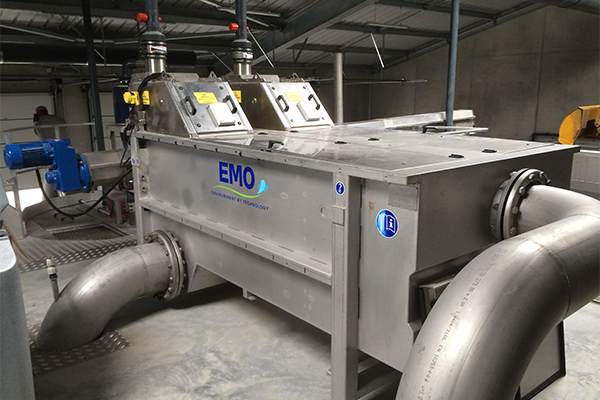
Wipes: a nightmare for screens.
Among the types of waste identified in France in wastewater flowing through sewers, wet wipes are the biggest enemy of screens. This is because they are materials that do not degrade easily in water. They can clog pipes, pumps, screens, grids, sieves, and filters, and quickly generate unusual wear and damage to wastewater treatment facilities, high maintenance costs, and operational interruptions.
Wipes: a nightmare for screens.
Screens, installed at the inlet of a treatment plant or on pumping stations, are designed to remove solid waste from wastewater. This equipment also play a crucial role in managing wet wipes in wastewater, as they are designed to remove solid particles, including wet wipes, before they move on to the next stage of treatment. However, wipes can become tangled around the grids or bars of screens or bar screens, blocking them and reducing their effectiveness.
To solve this problem, it is important to raise public awareness of the risks posed by single-use wipes, to promote the use of more environmentally friendly products, and to develop technical processes to improve the collection of wipes, regardless of their size or type.
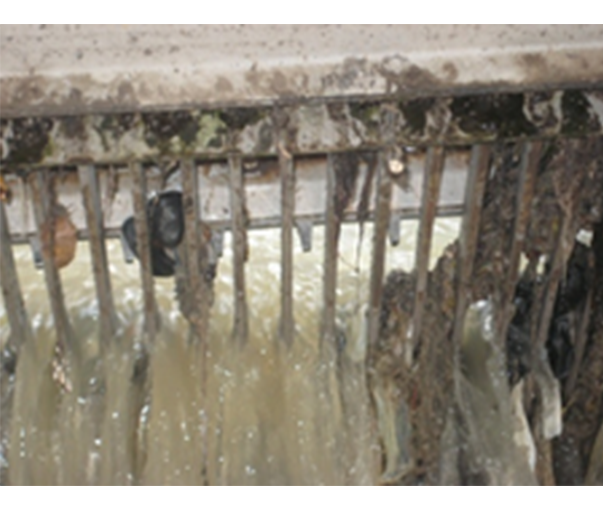
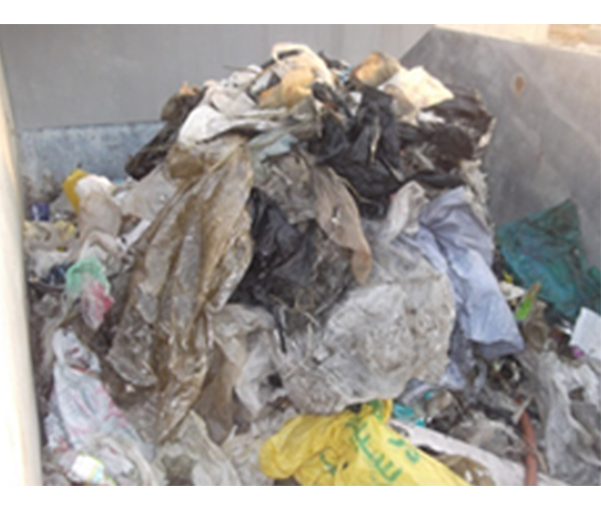
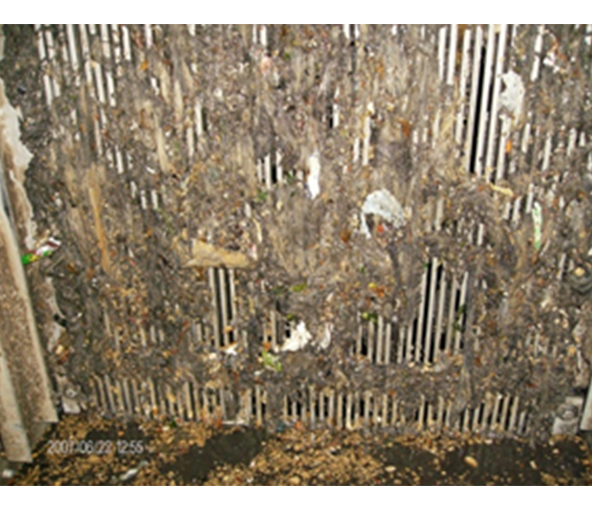
Wipes are a particular challenge for screens because they are non-biodegradable and tend to get tangled around the bars or grids. This can affect their effectiveness and increase the risk of malfunctions.
To cope with this problem, operators of Waste Water Treatment Plants need to take extra measures. This may include regularly checking and cleaning the screens to remove any accumulated wipes.
Another solution is to use a screen equipped with an automatic washing system to make it easier to remove wipes. It is important to note that not all screens are designed to remove all wipes from wastewater. Some wipes may pass through the screens and reach later stages of treatment. This is why it is essential to raise public awareness of the consequences of throwing wipes down the toilet and to promote more environmentally friendly alternatives.
En conclusion, bien que le dégrillage soit un traitement essentiel en phase de prétraitement pour gérer les lingettes dans les eaux usées, il ne peut résoudre complètement le problème. Une approche globale impliquant la sensibilisation du public, des solutions techniques améliorées et une gestion proactive des dégrilleurs est nécessaire pour faire face à cette problématique.
What solutions are possible for wipes at the head of the plant or at the pumping station?
In response to the problem of wipes in the sewer system, several solutions can be considered:
-
Public awareness
It is important to teach people about the harmful effects of throwing wipes down the toilet. Awareness campaigns can be launched to encourage responsible behaviour, such as disposing of wipes in rubbish bins rather than throwing them down the toilet.
-
Improving filtration and sieving
Waste Water Treatment Plants can be equipped with more efficient filtration and sieving processes to capture wipes and other solid particles. This may involve installing finer screens upstream or using advanced technologies such as rotary screens or screens with closely bar spacing.
-
Regular checks and maintenance
It is important to set up regular cleaning and maintenance programs to detect and remove wipes that could clog the treatment equipment. This may involve visual inspection, manual cleaning, or the use of automatic detection devices.
-
Cooperation with wipe producers
Local authorities and wastewater treatment companies can work with wipe producers to develop more biodegradable products that can be easily broken down in wastewater treatment plants.
-
Strengthening of regulations
Government agencies in France and around the world are working to strengthen regulations regarding the labeling of wet wipes, requiring clear warnings on packaging to inform consumers about the environmental implications for water and proper disposal methods.
It is important to highlight that solving this problem requires a global approach that involves raising public awareness, cooperation between the parties involved, and investment in more advanced wastewater treatment technologies.
Screens designed to meet your needs

Are you thinking about installing a different type of screen technology for your Waste Water Treatment Plant? Are you looking for a step-type fine screen or an inclined multirake screen? EMO offers a range of automatic cable or chain screens designed to meet your needs!
For more information, contact us